Safety Learning Presentations
The Secret of Safety & Beyond Safety II: Erik Hollnagel
When we think of safety it is usually by reference to its opposite, the absence of safety. The traditional view of safety, called Safety-I, has consequently been defined by the absence of accidents and incidents, or as the ‘freedom from unacceptable risk.’ As a result, the focus of safety research and safety management has usually been on unsafe system operation rather than on safe operation. In contrast to the traditional view, resilience engineering maintains that ‘things go wrong’ and ‘things go right’ for the same basic reasons.
Author/Presenter
- PhD, University of Southern Denmark and chief consultant at the Centre for Quality Improvement, Region of Southern Denmark

A story of Safety II: Jeffrey Braithwaite
Professor Jeffrey Braithwaite discusses 'A Story of Safety II'
How are people kept safe in healthcare?
Author/Presenter
- Australian Institute of Health Innovation, Centre for Healthcare Resilience and Implementation Science
- BA, Dip LR, MIR , MBA, PhD , FIML, FACHSM, FAHMS, FFPHRCP, FAcSS, Hon FRACMA
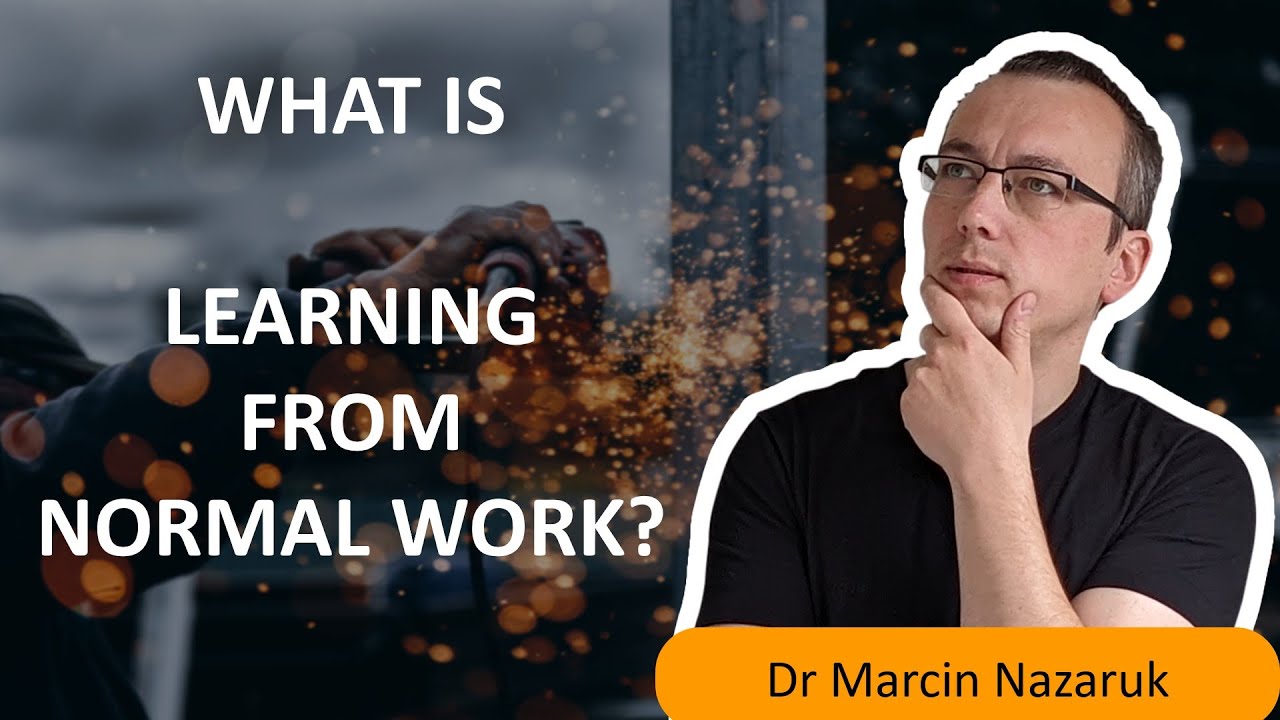
Learning from Normal Work: How to Learn When Nothing Goes Wrong? : Dr Marcin Nazaruk
Learning from Normal Work means proactively looking into things that make the work challenging, increase the chances of error, and how dependencies between different groups may contribute to incidents in the future
Author/Presenter
- Dr Marcin Nazaruk is an award-winning, global expert in proactive learning who helps companies to apply Learning from Normal Work in practice through training and consultancy to transform safety, rebuild trust and reduce risk.
- They are the lead author of the industry guides on the topic of Learning from Normal Work published by SPE, IOGP, or HPOG, and developed a range of practical tools and solutions for the front-line and senior leaders alike
Work as imagined and work as done. Mind the gap: Steven Shorrock
When we think about human work, we often fail to realize that the same activity is actually two very different sorts of work. Steven Shorrock explores some of the differences between work as imagined and work as done in a variety of settings and outlines some implications for the inevitable gaps.
Author/Presenter
- Dr. Steven Shorrock has been engaged in the discovery, development, translation, application, and dissemination of knowledge and practice since 1996. His areas of expertise include: applied cognitive psychology, industrial, work and organisational psychology; human factors and engineering psychology, and humanistic psychology.
- BSc (Hons) Applied Psychology, MSC Work Desig & Ergonomics, PhD
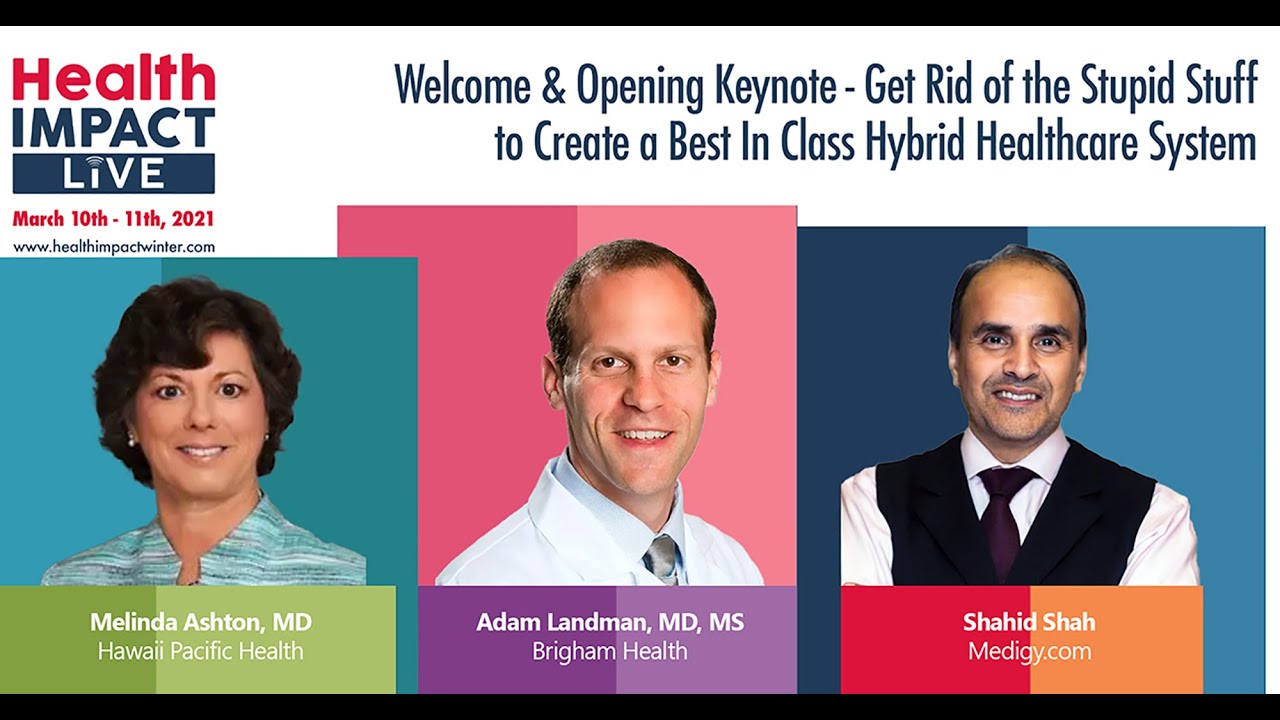
Get Rid of the Stupid Stuff: Dr Melinda Ashton
Hawaii Pacific Health’s Getting Rid of Stupid Stuff Program, now being adopted across the country, is showing the value in editing out extraneous tasks and items from the EHR. If we adapt this approach to editing our processes and technologies- what are the opportunities to get rid of “stupid stuff” to streamline processes, reduce burnout, and build a better healthcare system?
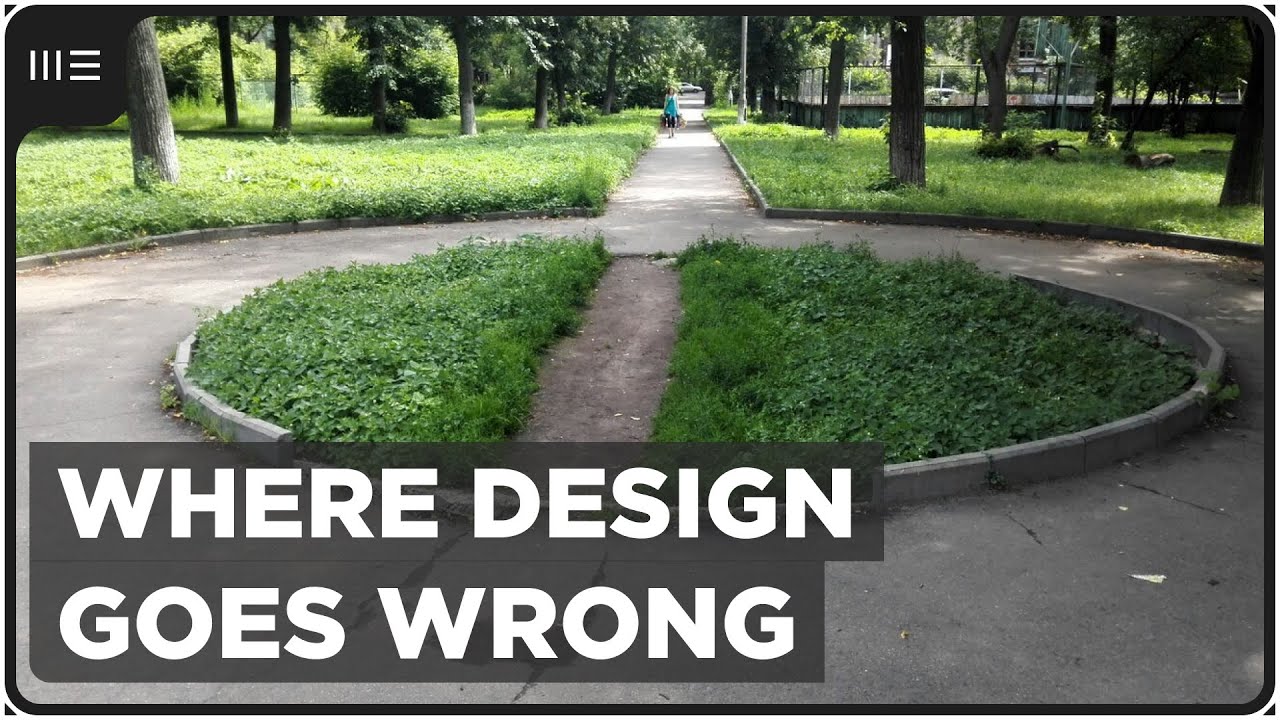
Desire Paths: Mitchell Eva
The concept of ‘Desire Paths’ has been applied by some researchers to explain the focus of identifying and understanding workarounds in clinical practice. Used in urban planning, desire paths are pathways (worn sections of a grassed area) that have been created over time as people use that route instead of the pre-designed paved pathway.
In healthcare this approach can assist in learning from normal work and better recognise unintended consequences arising from existing work patterns and requirements that may actually contribute to risk
Translational Simulation & Safety II
Translational simulation can be used to explore how success stories can drive system improvements, enhance healthcare design, strengthen teams, and ultimately improve both staff engagement and patient outcomes.
Creating and completing a simulation can assist in identifying risk inherit within a system, or way of working that has not yet led to harm.
It allows for the exploration of the underlying processes and human factors that contribute to the functioning of a safe system, rather than just focusing on specific failure points.
So offers the opportunity to Learn from Normal work (as simulated)
Translational Simulation
A/Prof Chris Nickson gives an overview of “Translational Simulation” in this 20 minute video slidecast: What is it? What is is useful for? How can we do it? A similar talk was presented at the ANZICS/ACCCN ASM in 2022.
Translational simulation may be used to explore work environments and/or people in them, improve quality through targeted interventions focused on clinical performance/patient outcomes, and be used to design and test planned infrastructure or interventions
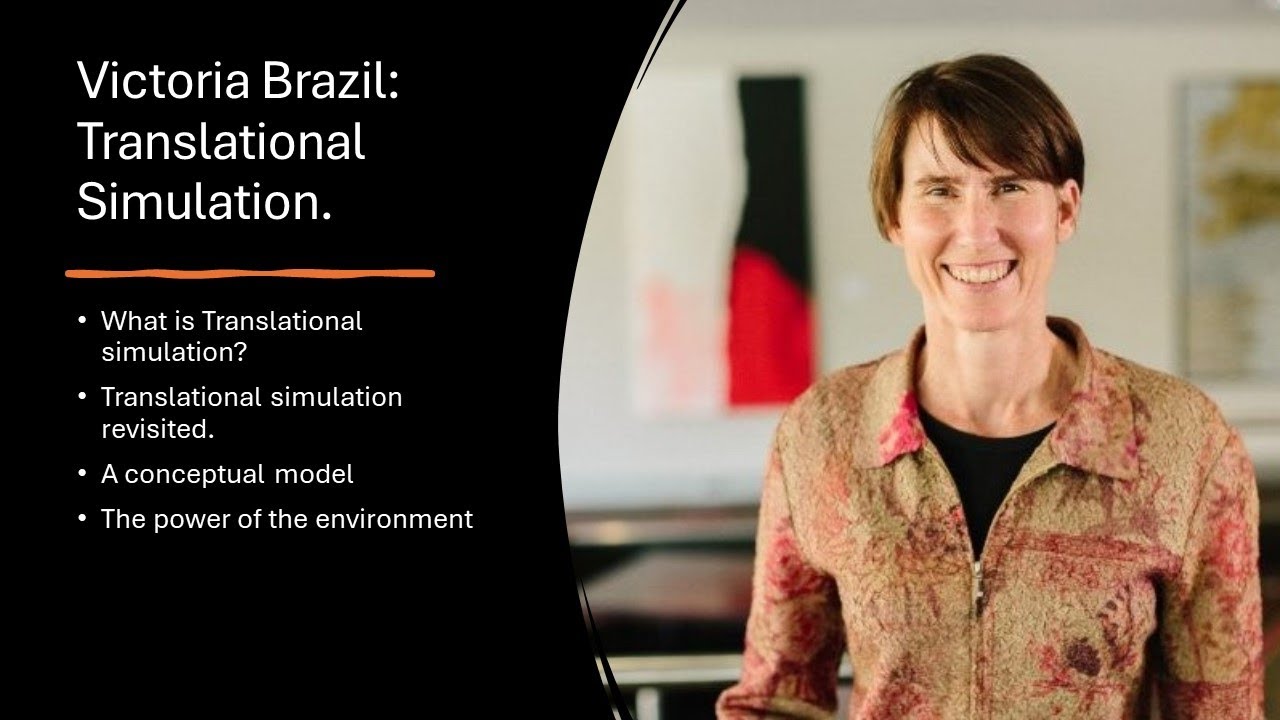
Dr. Victoria Brazil is an emergency physician, educator, and healthcare simulation pioneer and has been at the forefront of transforming how we think about simulation in medicine. In this episode, we’ll explore “translational simulation”—a concept that moves beyond traditional training to improve entire healthcare systems, processes, and patient outcomes
https://www.drvictoriabrazil.com/
Author
- BN, Master Business Administration
- Professor of Emergency Medicine and Director of Simulation at the Gold Coast Health Service,
Speedee Service System: Simulating Practice to Assist with Work Design
A clip from the movie 'The Founder' that depicts a part of process of the creation of the McDonalds food chain.
The McDonald Brothers (Dick and Mac), original founders of the first Mcdonald's restaurant, reimagined the design of service of food in a way that was efficient and created the notion of 'Fast Food'.
After attempts to create efficiency in real world practice, they recognised the value of 'simulating' practice and using it to inform design to learn about how practice could be safer and more efficient.
Doing this is real time was difficult (maybe impossible, inefficient and costly- simulating the practice process, using the big picture (see ladder & the overhead camera view) helped identify the best way to practice.
"A symphony of Motion"
Improving both consumer and staff experiences but also reducing risk in practice while ensuring an efficiency of service.

Richard Cook, "How Complex Systems Fail"
“things that you haven't seen before actually do occur relatively frequently … there's lots of adapting and tailoring that in systems are not sort of working out of the Box
… they have to be tweaked and tuned and coddled and stroked and kissed and prayed to and you have to burn the right kind of incense in order to get your systems to run there's a lot of tailoring that goes on where people twist and turn and and shave off here and turn on and turn off various kinds of services and start and stop other kinds of things and set parameters to try and make the thing go”
“Systems as imagined are state diagrams and their layouts of rack panels and their floor diagrams and all sorts of things …it’s the way we make stuff and they're static and deterministic”
“These systems as found are dynamic and stochastic they are not deterministic … they are entirely stochastic their performance cannot be deterministically defined”
Professor of Healthcare Systems Safety and Chairman of the Department of Patient Safety at the Kungliga Techniska Hogskolan (the Royal Institute of Technology) Stockholm. He is a practicing physician, researcher and educator.
Died Aug 2022